

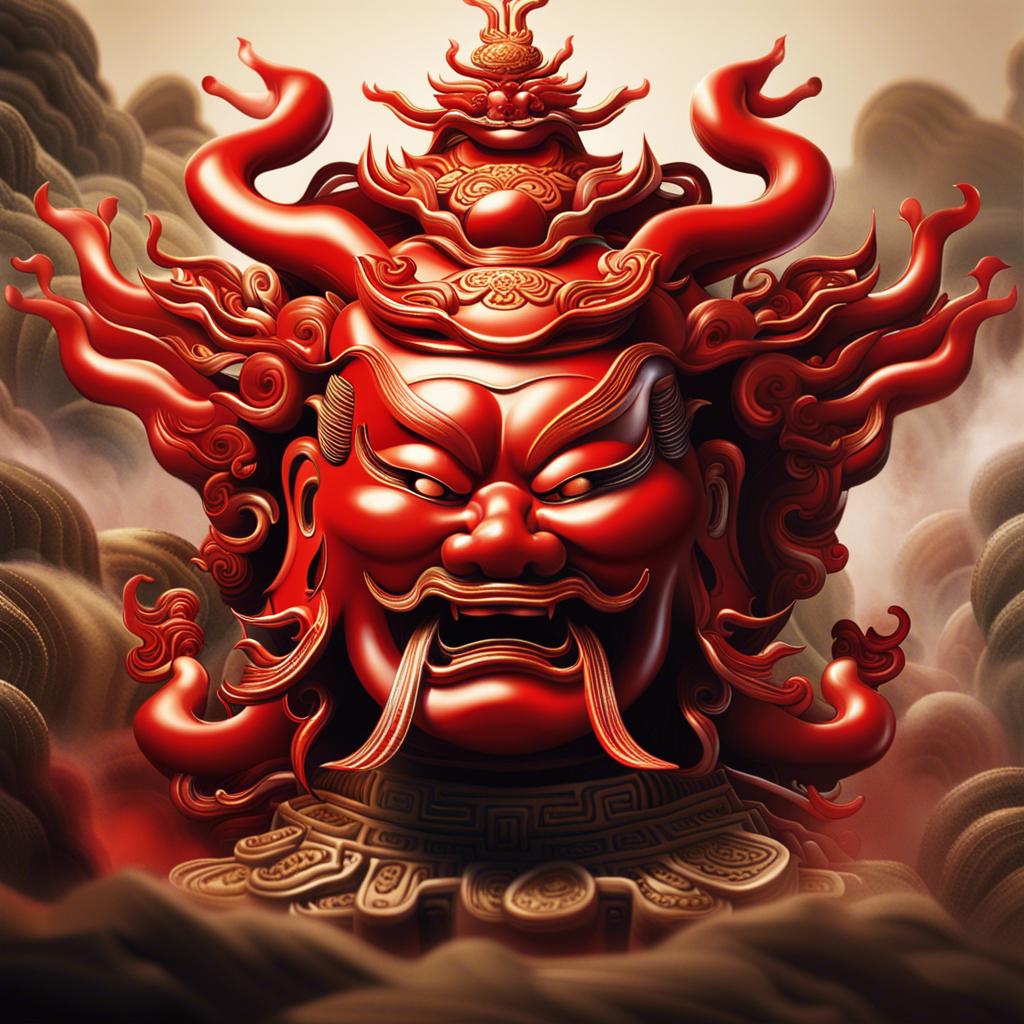
In the colorful tapestry of Chinese folklore and mythology, one deity stands out as a symbol of fortune and prosperity. Cai Shen, the god of wealth and abundance, has been revered and worshipped for centuries, with his image adorning homes and businesses across the country. As a beloved figure in Chinese culture, Cai Shen’s influence extends beyond just material wealth, embodying the hopes and aspirations of a nation. In this article, we will delve into the fascinating world of the Cai Shen god, exploring the origins, rituals, and significance of this revered figure in Chinese tradition. Join us as we uncover the mystique of Cai Shen and his enduring presence in the hearts and minds of the Chinese people.
Table of Contents
- The Origins of Cai Shen God
- Cai Shen God in Chinese Culture
- The Attributes and Symbols of Cai Shen God
- Worship and Offerings to Cai Shen God
- Cai Shen God in Modern Society
- Q&A
- Insights and Conclusions
The Origins of Cai Shen God
Caishen, also known as the God of Wealth, is a prominent figure in Chinese mythology and folklore. His origins can be traced back to ancient China, where he was worshipped as a deity associated with prosperity, good fortune, and financial success. According to legend, Caishen has the power to bring wealth and abundance to those who honor and worship him.
Origins and Mythology
The origins of Caishen can be found in various Chinese folklores and religious beliefs. He is often depicted as a benevolent and generous deity, bestowing riches and prosperity upon those who show him reverence. According to some sources, Caishen was originally a mortal who lived during the Ming dynasty and possessed great wealth. After his death, he was revered as a god due to his benevolent nature and the good deeds he had performed during his lifetime.
Modern Worship and Influence
Today, Caishen continues to be worshipped by millions of people across China and other Asian countries, especially during the Chinese New Year and other traditional festivals. Many businesses and individuals pay homage to Caishen by offering incense, prayers, and offerings in the hopes of receiving his blessings for financial success. His influence can also be seen in various cultural practices and traditions, such as the use of his image in decorations and ornaments to invite prosperity into homes and businesses.

Cai Shen God in Chinese Culture
Cai Shen, also known as the God of Wealth, is an important figure in Chinese culture and mythology. Often depicted in red robes and holding a gold ingot or a scroll, Cai Shen is believed to bring good fortune, prosperity, and wealth to those who worship and honor him. He is particularly revered during the Chinese New Year, as people seek his blessings for a prosperous year ahead.
According to tradition, Cai Shen is said to have his origins in the Northern Song Dynasty, where he was a mortal named Zhao Gongming. Through his virtuous deeds and commitment to helping others, he was deified as the God of Wealth. Chinese families pay homage to Cai Shen by burning incense, offering fruits and sweets, and displaying his image in their homes and businesses.
Cai Shen’s influence extends beyond traditional rituals. His likeness can be found in various forms of media, including movies, television shows, and even video games. Many businesses also incorporate his image in their branding, hoping to attract prosperity and good fortune. Additionally, Cai Shen is a popular subject for artists and craftsmen, with his image adorning decorations, paintings, and sculptures.
- Associated with good fortune and prosperity
- Depicted in red robes and holding a gold ingot or scroll
- Revered during Chinese New Year
- Originally a mortal named Zhao Gongming
- Influential in traditional rituals and popular culture
The Attributes and Symbols of Cai Shen God
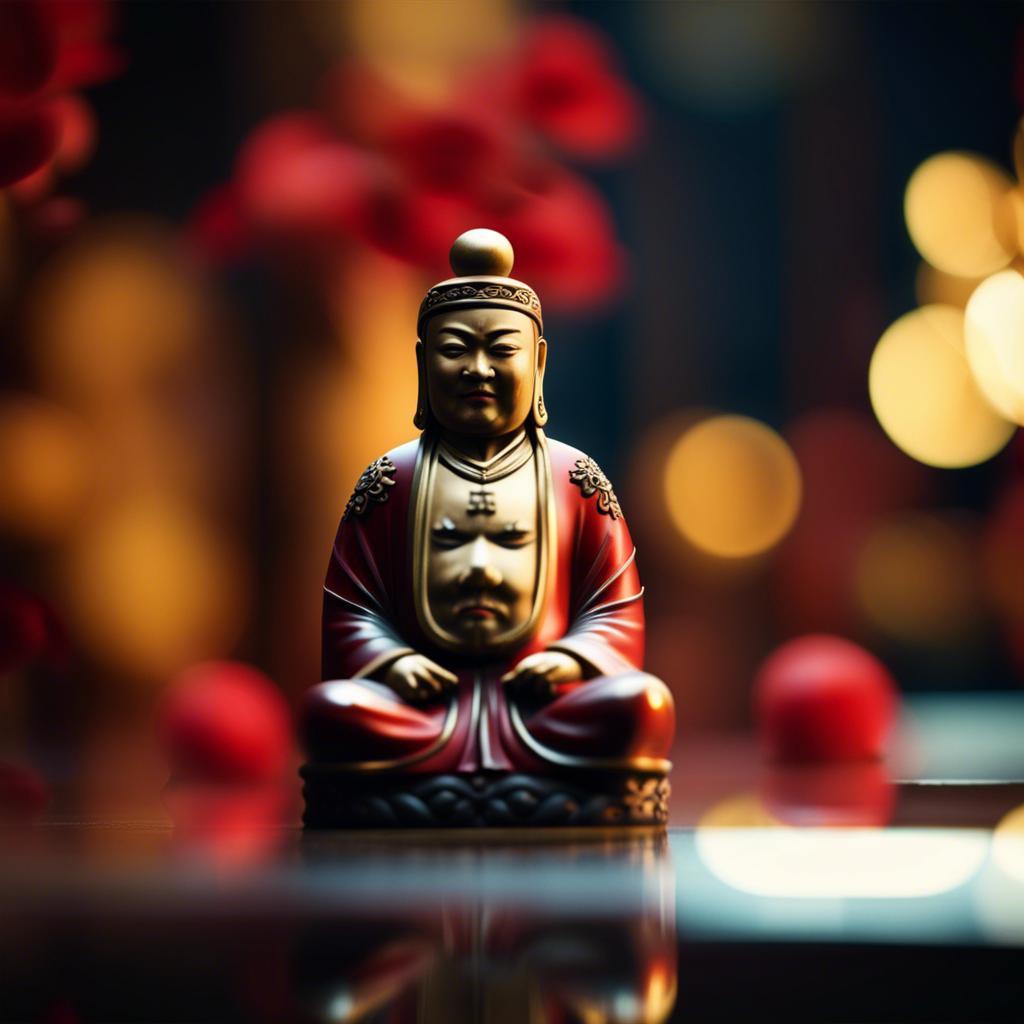
Known as the God of Wealth and Prosperity, Cai Shen is highly revered in Chinese culture and is believed to bring good fortune to those who worship him. Cai Shen, also known as Caishen, is a deity in Chinese folk religion who is often depicted as a benevolent and generous figure. His attributes and symbols are deeply rooted in Chinese traditions and hold significant meaning to those who follow his teachings.
Cai Shen is traditionally depicted as a man dressed in rich, imperial robes, symbolizing wealth, prosperity, and power. He is often shown holding a golden rod or scepter, which represents authority and good fortune. Additionally, Cai Shen is commonly seen carrying a big peach, a traditional symbol of immortality and longevity in Chinese culture. The peach also symbolizes abundance and good health, further emphasizing Cai Shen’s role as a deity of prosperity and well-being.
Other symbols associated with Cai Shen include the Chinese character for “wealth” or ”fortune,” which is often displayed prominently in temples and homes dedicated to him. This character is seen as a representation of the blessings and abundance that Cai Shen bestows upon his followers. Furthermore, the color red is closely linked to Cai Shen, as it is considered an auspicious color in Chinese culture and symbolizes good luck and happiness.
In summary, the attributes and symbols of Cai Shen embody the values of wealth, prosperity, authority, and good fortune in Chinese culture. His representation in art, literature, and religious practices reflects the deep-rooted belief in the power of prosperity and the pursuit of abundance.

Worship and Offerings to Cai Shen God
Cai Shen, also known as Zhao Gongming, is a revered deity in Chinese culture, often associated with wealth, prosperity, and good fortune. Worship and offerings to Cai Shen are a common practice, especially during the Chinese New Year and other significant cultural and religious events.
Devotees believe that honoring Cai Shen through rituals and offerings can bring blessings, luck, and abundance into their lives. It is believed that Cai Shen oversees the distribution of wealth and prosperity, making him an essential figure in traditional Chinese religious beliefs and practices.
Worshipers typically offer various items to Cai Shen, including fruits, incense, candles, and symbolic objects representing prosperity and good luck. These offerings are presented in temples, altars, and shrines dedicated to the deity, accompanied by prayers and chants for blessings and success.
Devotees can also engage in acts of charity and kindness as a form of worship to Cai Shen, believing that promoting goodwill and generosity can also attract positive energy and favor from the deity. The practice of worshiping and making offerings to Cai Shen continues to be an integral part of Chinese culture, symbolizing the ongoing reverence for wealth, prosperity, and spiritual values.

Cai Shen God in Modern Society
In modern society, the Cai Shen God continues to hold significant importance in traditional Chinese culture. Also known as the God of Wealth or Prosperity, Cai Shen is worshipped and revered for bringing good fortune and financial success. Despite the advancements in technology and changes in societal norms, the reverence for Cai Shen remains deeply rooted in Chinese communities all around the world.
People often seek blessings from Cai Shen during festivals, business deals, and personal endeavors. The sight of Cai Shen adorned in traditional attire and holding a symbol of wealth, such as a gold ingot or a scroll, is a common sight in Chinese households and businesses. The belief in the benevolent powers of Cai Shen transcends generational gaps and continues to be a guiding force in the pursuit of prosperity.
Furthermore, the adaptation of Cai Shen worship into modern practices is evident in the incorporation of digital offerings and virtual ceremonies. Many individuals now pay homage to Cai Shen through online platforms and virtual temples, reflecting the seamless integration of tradition with contemporary technology. The enduring influence of Cai Shen in modern society serves as a testament to the enduring cultural significance of the God of Wealth.
Through the embodiment of abundance and good fortune, Cai Shen’s presence in modern society perseveres, offering timeless wisdom and prosperity to those who continue to hold reverence for this ancient deity.
Q&A
Q: Who is Cai Shen god and what is his significance in Chinese culture?
A: Cai Shen, also known as the God of Wealth, is a deity in Chinese folklore who is believed to bring prosperity and good fortune to those who worship him. He is highly revered in Chinese culture, especially during the lunar new year celebrations.
Q: What are some common symbols associated with Cai Shen god?
A: Cai Shen is often depicted wearing traditional Chinese clothing and holding a gold ingot or a scroll with symbols of prosperity. He is also accompanied by the auspicious creatures, such as dragons, lions, or wealth gods, to symbolize abundance and wealth.
Q: How is Cai Shen god worshipped in Chinese culture?
A: During the lunar new year festivities, people offer prayers, burn incense, and make offerings to Cai Shen in hopes of receiving his blessings. Some also display his image in their homes or businesses to attract good luck and prosperity.
Q: Is Cai Shen god only worshipped during the lunar new year?
A: While Cai Shen is particularly venerated during the lunar new year, his worship is not limited to this time of year. Many individuals and businesses regularly pay homage to him throughout the year in order to secure his favor and blessings.
Q: Can people from other cultures worship Cai Shen god?
A: Although Cai Shen is deeply rooted in Chinese culture and folklore, his popularity has spread to other East Asian countries and even among some expatriate communities. In this interconnected world, people from different cultural backgrounds may choose to worship Cai Shen for his association with prosperity and good fortune.
Insights and Conclusions
In conclusion, the legend of Cai Shen, the Chinese god of wealth, is a fascinating and influential part of Chinese culture and tradition. Whether worshipped as a deity or celebrated in folklore, Cai Shen continues to be a symbol of prosperity and good fortune for millions of people around the world. As we continue to explore the rich tapestry of Chinese mythology, the story of Cai Shen serves as a reminder of the enduring power of belief and the timeless allure of the divine. Whether we seek to appease him or simply honor his legacy, Cai Shen remains a beacon of hope and abundance for all who embrace his legend. So, may Cai Shen bless you with prosperity and good fortune in all your endeavors. Thank you for joining us in this exploration of the fascinating world of Cai Shen, the god of wealth.

The Ultimate Guide to Compatibility Snakes: Traits and Care Tips

Analysis of Feng Shui Elements in the Movie Nezha

Chinese Zodiac Birthstone: Find Your Perfect Gemstone Match

The Spiritual Symbolism of Crabs: Exploring Their Significance in Religion and Culture

Sha Chi: How Negative Energy Affects Your Environment

How to Wear Chakra Bracelet: Tips & Techniques

Poison Arrow Feng Shui: Unleashing Its Potent Energy

Rooster Compatibility: Finding the Perfect Match
