

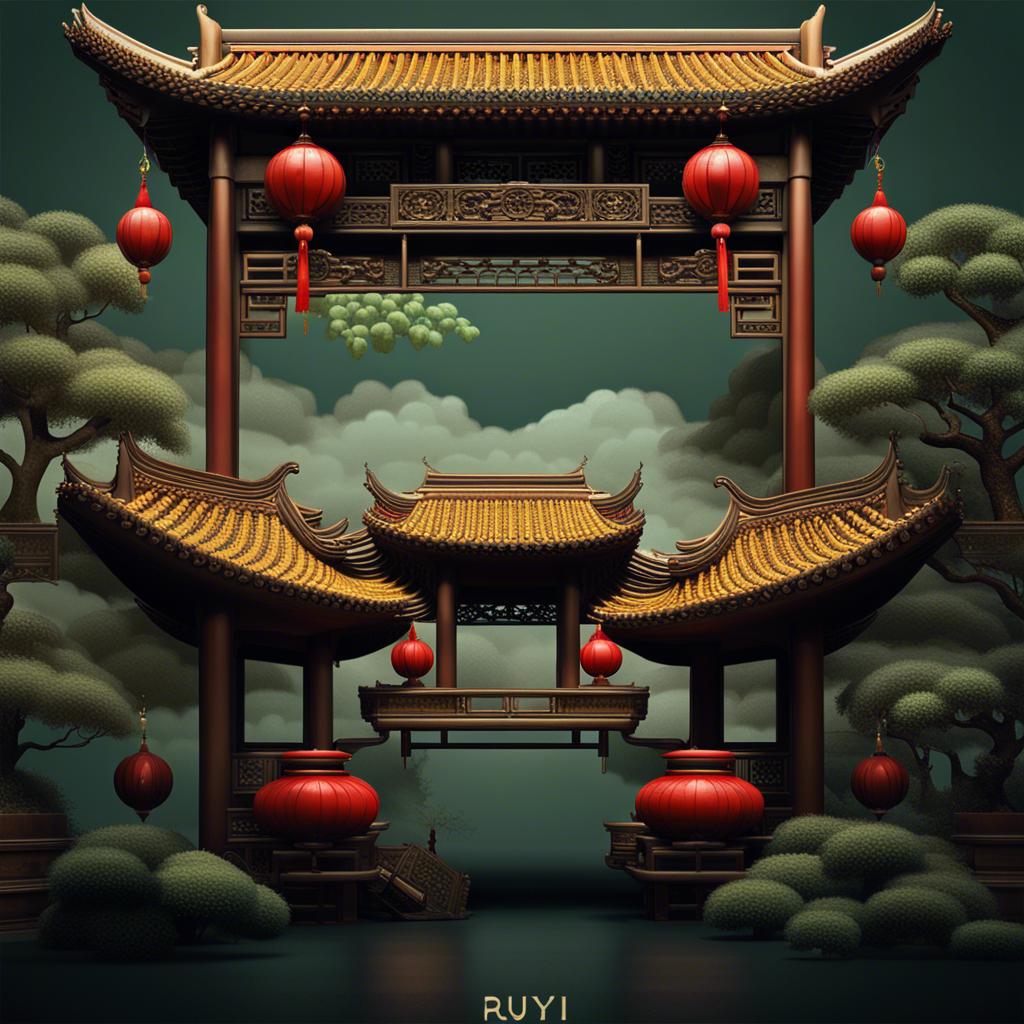
In the realm of Chinese culture and history, there exists an object that has captured the fascination and imagination of many: the ruyi. This enigmatic and ornately decorated scepter has held a place of significance in Chinese society for centuries, serving as a symbol of power, prosperity, and goodwill. Its unique design and cultural importance have made it a source of intrigue and curiosity for scholars and collectors alike. Join us as we delve into the mystique of the ruyi, exploring its origins, symbolism, and enduring influence in Chinese traditions.
Table of Contents
- Origins and History of Ruyi
- Meaning and Symbolism of Ruyi in Chinese Culture
- Different Forms and Materials of Ruyi
- Ruyi in Art and Literature
- Ruyi as a Gift and Collectible Item
- Q&A
- To Conclude
Origins and History of Ruyi
The Ruyi, also known as the “scepter of power” or “as you wish”, is a curved decorative object that has a significant place in Chinese history and culture. Its origins can be traced back to the Song Dynasty in China, where it was initially used as a tool for communication between rulers and their officials. The shape of the Ruyi, with its curved handle and decorative head, symbolizes good fortune, prosperity, and authority.
The history of the Ruyi dates back over a thousand years, and it has evolved from its original use as a symbol of authority to become a popular motif in art, jewelry, and architecture. In Chinese culture, the Ruyi is often associated with the concept of “fulfillment of wishes”, and it is often given as a gift to wish someone good fortune and success in their endeavors. Over the centuries, the Ruyi has become a symbol of good luck and prosperity, and its influence has extended to other parts of Asia, where it is also valued for its aesthetic beauty and cultural significance.

Meaning and Symbolism of Ruyi in Chinese Culture
A ruyi is a symbolic ornamental scepter in Chinese culture that signifies good fortune, prosperity, and power. The word “ruyi” translates to “as you wish” or “in accordance with your desires,” making it a popular motif in Chinese art and decorative objects.
Meaning of Ruyi in Chinese Culture:
- The shape of a ruyi is often curved or S-shaped, resembling a lingzhi mushroom, which is a symbol of longevity and immortality in Chinese culture.
- It is associated with the concept of “fulfillment of wishes” and is often used as a gift to wish someone success, happiness, and good fortune.
- In traditional Chinese folklore, the ruyi is also linked to the idea of authority and control, making it a popular symbol among emperors and officials.
Symbolism of Ruyi:
• The shape of a ruyi is often curved or S-shaped, resembling a lingzhi mushroom, which is a symbol of longevity and immortality in Chinese culture.
• It signifies good fortune, prosperity, and power in Chinese culture, making it a popular motif in art and decorative objects.
The ruyi is often depicted in traditional Chinese art and is also used in various rituals and ceremonies, such as weddings and business events, to bring blessings and positive energy. Its significance and symbolism have made it a timeless and cherished cultural icon in Chinese society.

Different Forms and Materials of Ruyi
When it comes to ruyi, there are various forms and materials that have been used to create these iconic ceremonial objects. From traditional wooden ruyi to more modern variations made from precious metals, each form and material holds its unique significance and symbolism.
Forms of Ruyi:
- Traditional Ruyi: The traditional ruyi typically features a long S-shaped handle with a rounded head, often adorned with intricate carvings and decorative motifs.
- Dragon Ruyi: This form of ruyi often incorporates the image of a dragon, symbolizing power, strength, and good fortune.
- Flower Ruyi: Flower-shaped ruyi features a blossoming flower design on the head, representing growth, prosperity, and beauty.
Materials of Ruyi:
- Wood: Traditional ruyi is commonly crafted from various types of wood, such as sandalwood or mahogany, symbolizing natural beauty and longevity.
- Jade: Ruyi made from jade is highly prized for its elegance and spiritual significance, often associated with wisdom, purity, and harmony.
- Silver: Silver ruyi exudes luxury and elegance, representing wealth, prosperity, and refinement.
Regardless of the form or material, ruyi holds a special place in Chinese culture and is often presented as a gift to convey good wishes and blessings.

Ruyi in Art and Literature
When exploring the theme of “ruyi” in art and literature, it’s fascinating to see how this symbol has been depicted and interpreted across different cultures and time periods. The ruyi, which translates to “as you wish” or “in accordance with your desires,” holds a significant place in Chinese art and literary traditions. It is often portrayed as a ceremonial scepter or talisman, symbolizing good fortune, prosperity, and fulfillment of one’s wishes.
In art, the ruyi has been depicted in various forms, including intricate carvings, paintings, and sculptures. Its elegant and symbolic nature has made it a popular motif in traditional Chinese art, where it is often featured in scenes of auspicious celebrations, such as birthdays, weddings, and festivals. In literature, the ruyi has been used as a metaphor for achieving one’s dreams and desires, symbolizing the attainment of success, happiness, and fulfillment.

Ruyi as a Gift and Collectible Item
Ruyi, a traditional Chinese ceremonial scepter, has long been regarded as a symbol of good fortune, prosperity, and happiness. With its rich cultural and historical significance, the ruyi makes for a unique and thoughtful gift for special occasions such as weddings, birthdays, and business partnerships. Its intricate design and auspicious symbolism make it a highly sought-after collectible item among enthusiasts and collectors.
As a gift, the ruyi holds deep symbolic meaning as it represents wishes of good luck, success, and fulfillment. It is often given as a token of well-wishes and blessings, making it a meaningful and cherished present. Whether it’s crafted from precious materials such as jade, ivory, or wood, each ruyi is a work of art that reflects traditional craftsmanship and cultural heritage. Its significance as a collectible item lies in its rarity, historical value, and artistic beauty, attracting collectors who appreciate its aesthetic appeal and symbolic importance.
When considering a ruyi as a gift or collectible item, one must appreciate its cultural significance and the thoughtful message it conveys. The timeless beauty and auspicious meaning of the ruyi makes it a truly special and meaningful addition to any collection or a memorable gift for a loved one.
Q&A
Q: What is the significance of the ruyi in Chinese culture?
A: The ruyi is a symbol of good fortune and prosperity in Chinese culture. It is often used as a decorative object and as a gift to wish someone well.
Q: What does the word “ruyi” mean?
A: The word “ruyi” translates to “as you wish” in English, reflecting the idea that the ruyi brings blessings and fulfills one’s desires.
Q: What does a traditional ruyi look like?
A: A traditional ruyi is a S-shaped decorative object with a curved handle and a decorative head, often carved with auspicious symbols such as bats, peaches, or lingzhi mushrooms.
Q: How is the ruyi used in Chinese rituals and ceremonies?
A: The ruyi is often used in religious rituals, weddings, and other ceremonies as a symbol of good luck and blessings.
Q: Are there different types of ruyi?
A: Yes, there are various types of ruyi, including jade ruyi, wooden ruyi, and metal ruyi, each with its own symbolism and significance.
Q: What are some common motifs found on the head of a ruyi?
A: Common motifs found on the head of a ruyi include the longevity symbol, the bat (symbolizing good fortune), and the peach (symbolizing immortality).
Q: How is the ruyi used in modern Chinese culture?
A: In modern Chinese culture, the ruyi is still considered a symbol of blessings and good fortune, and it is often used in art, jewelry, and decorative items. It is also given as a gift to wish someone success and prosperity.
To Conclude
In conclusion, the ruyi holds a rich history and symbolism in Chinese culture, serving as a powerful representation of prosperity, good fortune, and fulfillment of wishes. Whether used as a decorative ornament or as a ceremonial object, the ruyi continues to captivate and inspire with its unique and intricate design. Its enduring significance makes it a cherished symbol in both traditional and contemporary contexts, cementing its place as a timeless icon of auspiciousness and harmony. As we continue to appreciate the beauty and meaning behind the ruyi, we are reminded of the enduring traditions and beliefs that continue to shape and enrich our world.


The Ultimate Guide to Compatibility Snakes: Traits and Care Tips

Analysis of Feng Shui Elements in the Movie Nezha

Chinese Zodiac Birthstone: Find Your Perfect Gemstone Match

The Spiritual Symbolism of Crabs: Exploring Their Significance in Religion and Culture

Sha Chi: How Negative Energy Affects Your Environment

How to Wear Chakra Bracelet: Tips & Techniques

Poison Arrow Feng Shui: Unleashing Its Potent Energy

Rooster Compatibility: Finding the Perfect Match
